
The Orient
Sympathy Flower Messages
When someone you know is grieving, it's only natural to want to reach out and express your love. Sending sympathy flowers shows you are thinking about them, but finding the right words for a sympathy card can feel overwhelming.
We have crafted a guide to condolence messages so you can express your heartfelt sentiments appropriately, whether you are writing a short condolence message to family, a condolence message to a colleague, or comforting someone through the death of a loved one.
Remember, a sympathy card doesn't require an elaborate essay or profound musings on life and death. It simply needs to convey your warmth and love for the recipient, offering my sincere condolences or expressing your deepest sympathy in a few heartfelt words.
What to Include in a Sympathy Message
Let's reflect on what is appropriate and how to approach the process. The best way to start is by letting them know you are thinking of them and expressing your deepest condolences, or simply sending condolences for their loss. If you had a personal connection with the person who passed away, share a fond memory, or mention how much they will be missed.
If you feel comfortable and able, offer your support, and let them know they can rely on you during this difficult time. Assure them you are there to lend a helping hand or provide a listening ear whenever needed. Conclude with a warm closing message filled with love and hope for the future. Let them know they are not alone and that brighter days will come.
Below, you will find a range of condolence messages that you can draw inspiration from or personalise to suit your unique situation. Remember, the thought and sincerity behind your message is what truly matters, not the exact words. What does condolences mean? It is simply an expression of sympathy, sorrow, and support.

Short Sympathy Flower Messages (Perfect for Cards)
You will have only a few words on a standard florist card if you aren't sending a sympathy card with your courier flowers. This can sometimes be a better choice than a long message when you don't know the person well but want to show your support with a short condolence message to family, friends, or colleagues.
• Sending heartfelt condolences.
• With deepest sympathy.
• Forever in our hearts.
• Sending love and support.
• Gone but never forgotten.
• Our thoughts are with you.
• My condolences to you and your family.
• My sincere condolences during this difficult time.


Sympathy Messages for Someone Who Has Lost a Parent
The loss of a parent is one of the hardest things anyone can go through, especially when they are incredibly close. Your flowers and sympathy message will be a welcome reminder that they are not alone and provide a source of strength. Not sure what to write in a sympathy card for the loss of a mother or a father? Here are a few ideas:
• My thoughts are with you and your family during this incredibly challenging time. May you find strength and support in one another.
• Words cannot express the sorrow I feel for your loss. Your mum/dad was incredible, and I will always cherish the memories we shared.
• Words cannot heal how you feel; however, please know that I am here for you. Sending condolences and love always.
• My deepest condolences go out to you and your family. You are not alone in this journey of grief.
Sympathy Messages for Someone who Has Lost a Child
• No words adequately describe the depth of despair and loss that a parent feels when their child dies. Your death condolence message should reflect these emotions.
• I am deeply sorry for the loss of [name]. Your child will always be with you in your heart. You are in my thoughts.
• I want you to know I am here for you, ready to lend a listening ear or a comforting presence, no matter the time of day.
• My sincere condolences. I stand beside you, offering my unwavering support.
Sympathy Messages for Someone Has Lost a Baby
Losing a baby is a heartbreaking experience. Your sympathy flowers and message will give the recipient strength.
• I offer my heartfelt condolences as you mourn the loss of your baby.
• Be gentle with yourself and allow space for your grieving process.
• You and [name] are constantly in my thoughts, and I hope that with time, you can heal.
Sympathy Messages for Someone Who Has Lost a Friend
Acknowledge the value of friendship and the pain of loss.
• Sending you my heartfelt condolences on the passing of your cherished friend.
• I can't imagine your pain after losing such a special friend. Please know I am here for you.
• Remembering the beautiful moments you shared and holding you in my thoughts.
Sympathy Messages for Someone Who Has Lost a Pet
• Thinking of you and the wonderful memories you shared with [name].
• I know how much [name] meant to you and share your sadness.
• [name] brought happiness to all who knew them and will be deeply missed.

What NOT to Write In a Sympathy Card
Writing your condolences can be difficult. Focus on comforting the bereaved and avoid clichéd phrases. Understanding the condolence meaning can help—it’s not about solving grief but offering support.
Avoid discussing the cause of death or making comparisons. Refrain from religious phrases unless you know they will bring comfort.
What Flowers are Appropriate for Sympathy?
Flowers are a quiet and meaningful way to show support. Here are some traditional choices:
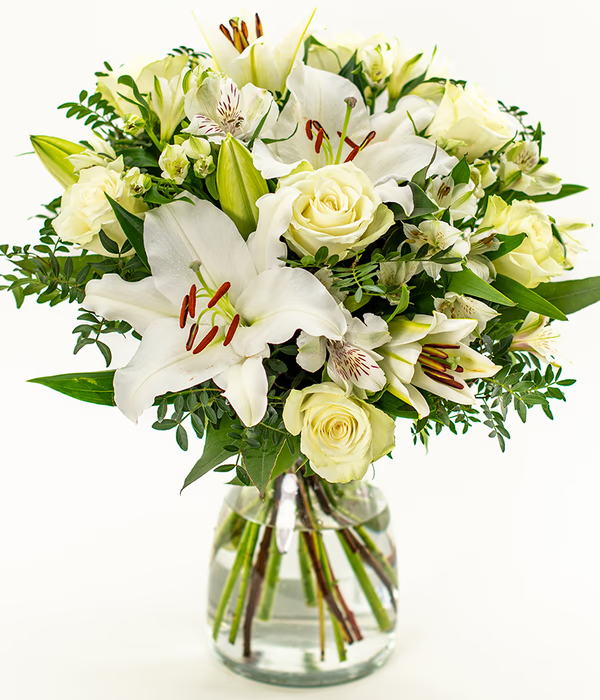
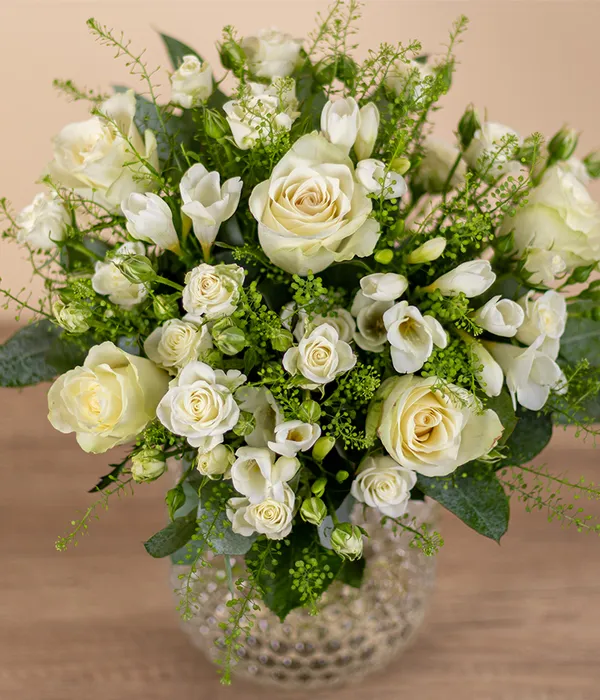
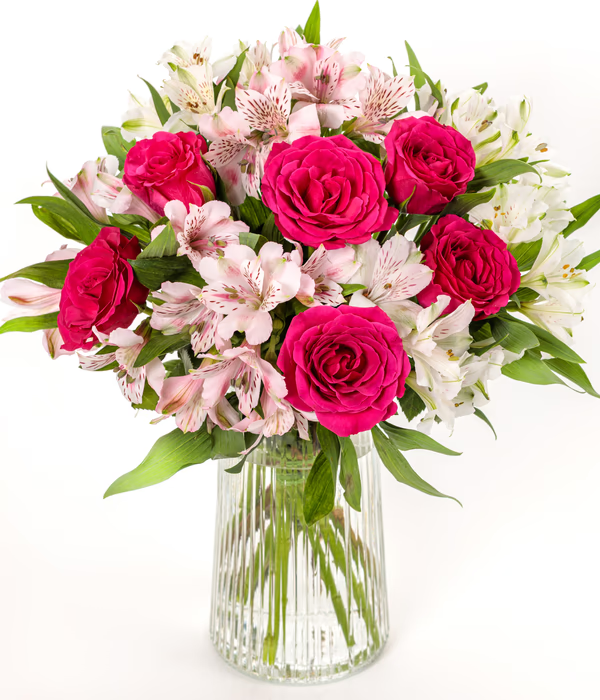
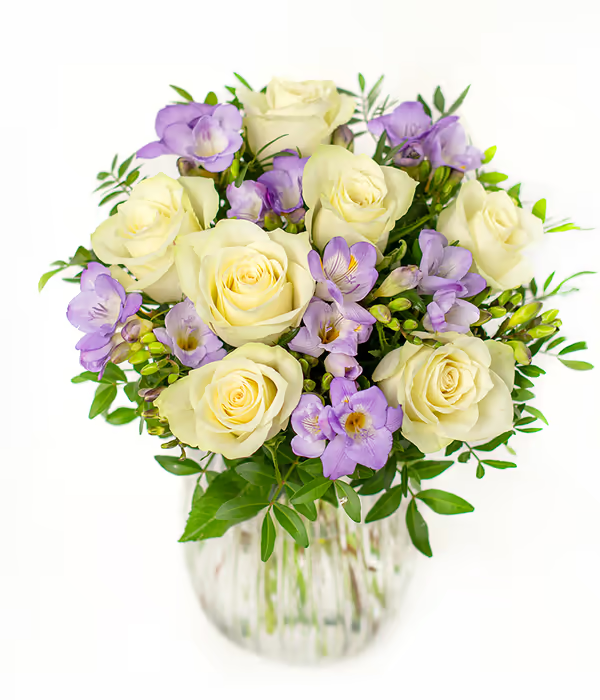
• White flowers → peace, respect and remembrance
• Lilies → hope and renewal
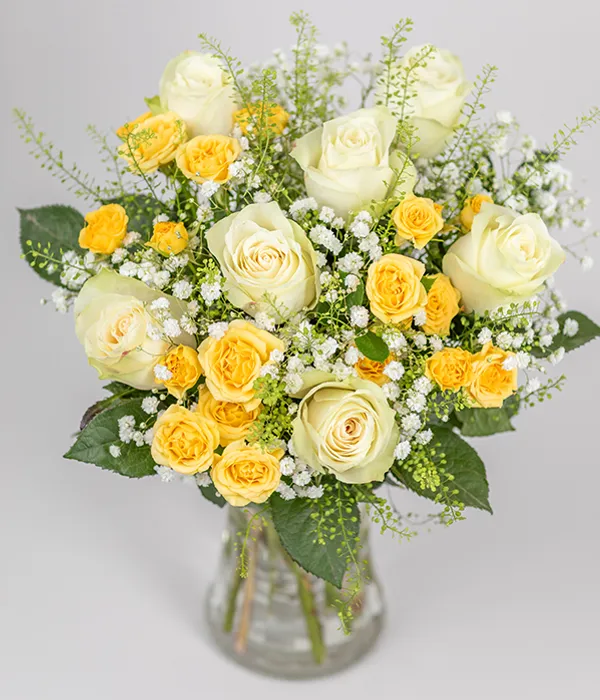
• Roses → love and appreciation
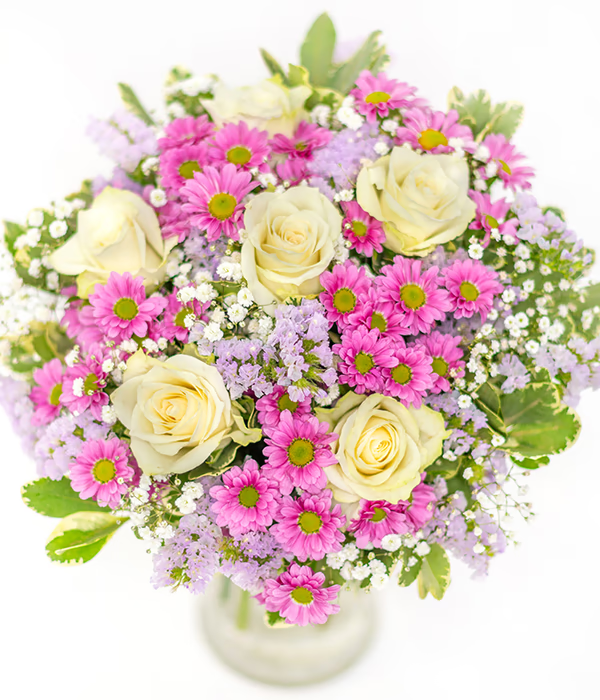
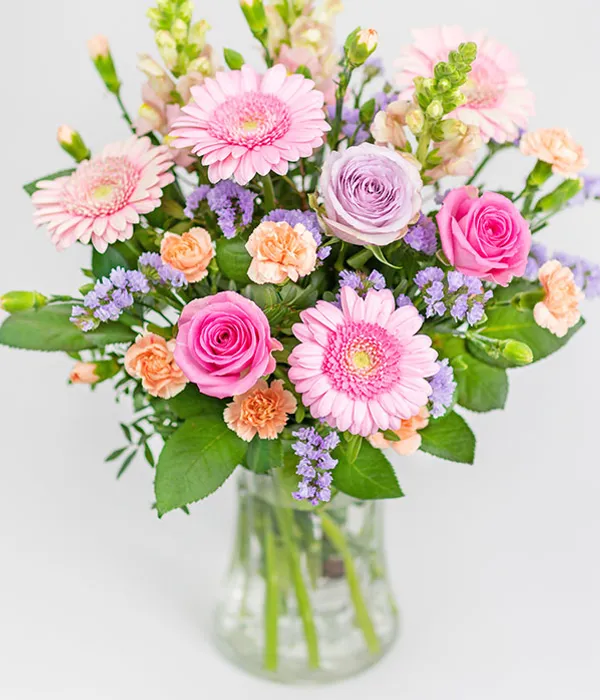
• Soft pastel flowers → comfort and warmth
👉 Explore sympathy flowers to send with your message